
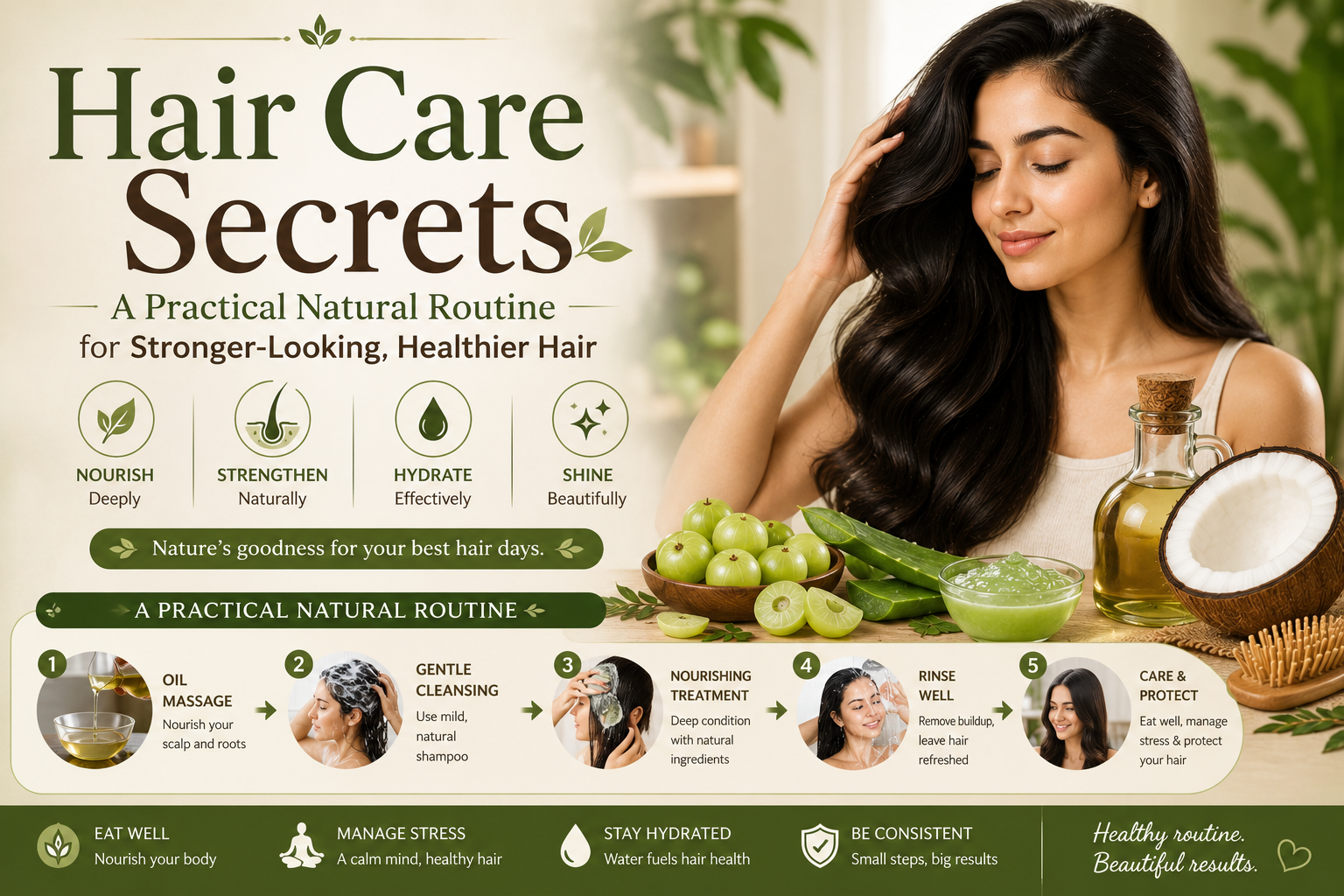
Hair Care Secrets: A Practical Natural Routine for Stronger-Looking, Healthier Hair
The Kitchen Factory believes that healthy-looking hair starts with simple, consistent, and mindful care. Instead of depending on complicated routines or using too many products, a practical natural hair care routine can help you maintain softer, smoother, and stronger-looking hair over time.
Hair goes through daily stress from sunlight, pollution, heat styling, frequent washing, chemical treatments, and environmental changes. These factors can make hair feel dry, rough, dull, or difficult to manage. The good news is that everyday habits can make a meaningful difference in how your hair looks and feels.
A natural hair care routine should focus on gentle cleansing, regular nourishment, scalp care, hydration, protection, and a balanced lifestyle. The goal is not to promise overnight hair transformation, but to build habits that support healthy-looking hair consistently.
Why Does Hair Need a Consistent Care Routine?
Your hair is exposed to many different factors every day. Dust and pollution can accumulate on the scalp and hair, while excessive heat styling may leave the hair feeling dry. Frequent colouring, straightening, or chemical treatments can also affect the appearance and texture of the hair.
A consistent routine helps you manage these everyday challenges. Rather than changing products frequently, focus on understanding what your hair needs and creating a routine that is easy to maintain.
A practical hair care routine can include:
- Gentle scalp and hair cleansing
- Regular conditioning and hydration
- Lightweight natural nourishment
- Gentle combing and handling
- Protection from excessive heat
- A balanced diet and adequate hydration
Start With Gentle Hair Cleansing
Cleansing is one of the most important parts of a hair care routine. Your scalp naturally produces oil, and sweat, dust, and styling-product residue can accumulate over time. Regular cleansing helps keep the scalp and hair feeling fresh.
However, washing your hair excessively or using very harsh products may leave some hair types feeling dry and rough. The ideal washing frequency depends on your scalp, hair type, lifestyle, and level of physical activity.
If your scalp becomes oily quickly, you may need more frequent washing. If your hair is dry, curly, or chemically treated, less frequent washing with a gentle cleanser may be more comfortable.
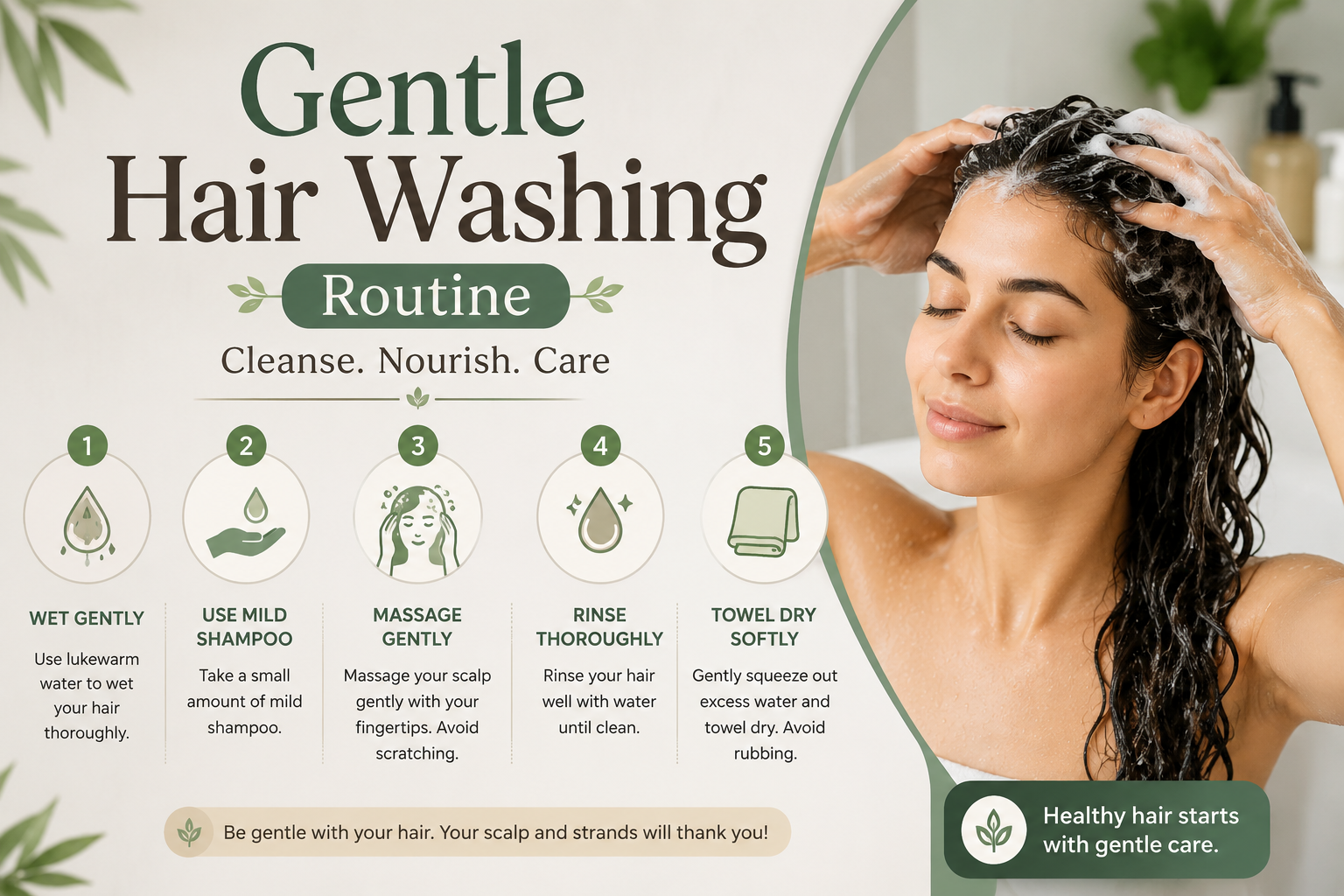
Take Care of Your Scalp, Not Just Your Hair
Beautiful-looking hair begins at the scalp. A healthy scalp provides the environment from which hair grows, so scalp care should be an important part of your routine.
When washing your hair, gently massage the scalp with your fingertips rather than scratching it with your nails. A gentle massage can help distribute cleansing products across the scalp while avoiding unnecessary friction.
Avoid aggressively rubbing wet hair because wet strands are more vulnerable to breakage. Instead, gently squeeze out excess water and use a soft towel to pat the hair dry.
Don’t Forget Conditioning
Shampoo or cleansing products primarily focus on removing dirt, oil, and buildup. Conditioning helps improve the feel and manageability of the hair by providing moisture and reducing friction between strands.
Apply conditioner mainly to the lengths and ends if your scalp becomes oily easily. People with dry or curly hair may benefit from applying conditioner more generously through the lengths.
Look for products and ingredients that suit your individual hair type. Natural ingredients can be useful additions to a hair care routine, but natural does not automatically mean suitable for every person. Always pay attention to how your hair and scalp respond.
Use Aloe Vera for Lightweight Hair Hydration
Aloe Vera is a popular natural ingredient in hair and scalp care. Its lightweight, water-rich texture makes it an interesting ingredient for people looking for a simple approach to hair hydration.
Aloe vera-based products can be incorporated into a hair care routine when the product is formulated for hair or scalp use. The important thing is to follow the product’s instructions rather than applying large quantities or leaving products on the scalp unnecessarily.
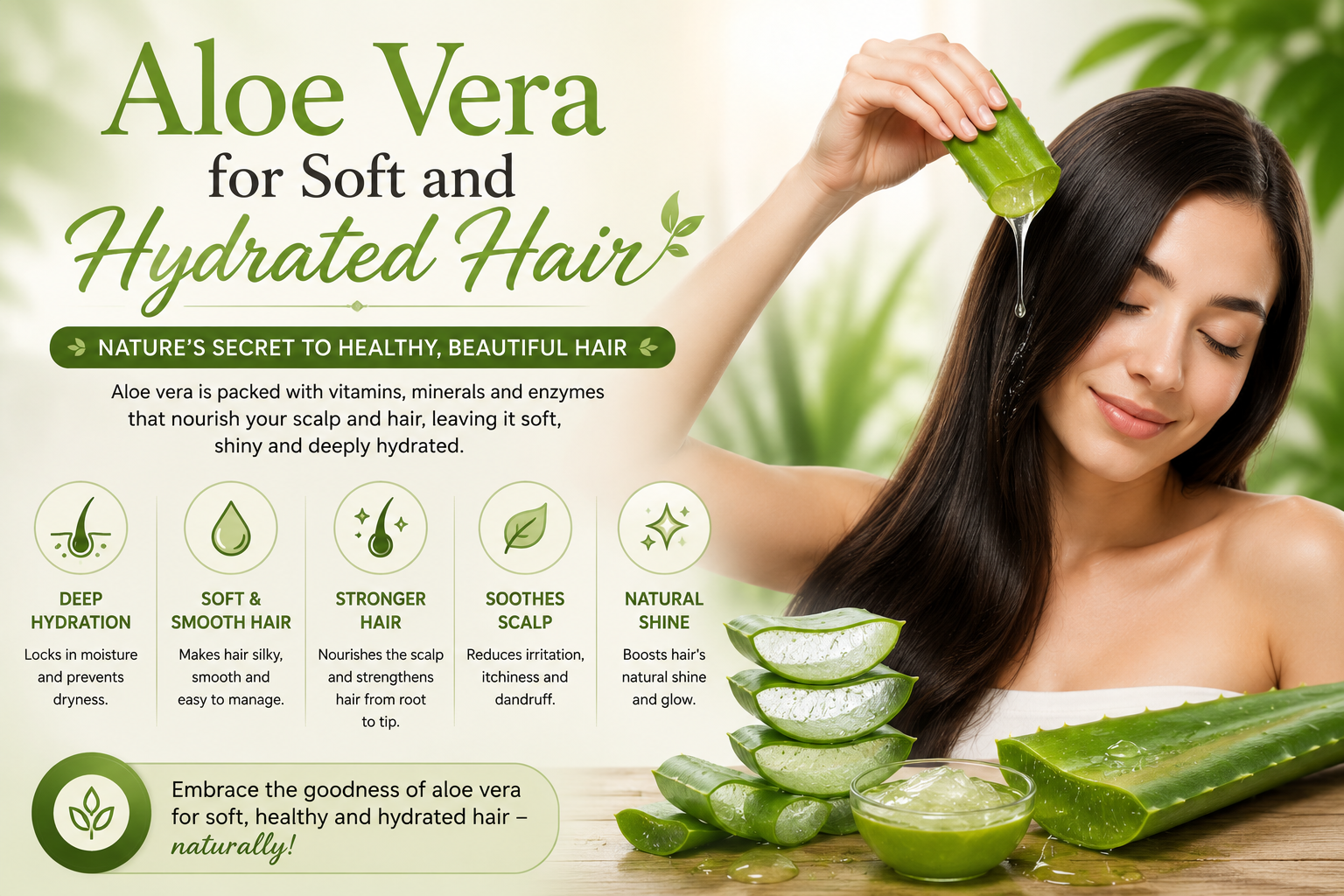
For people with dry-feeling hair, a lightweight moisturising routine can help improve the overall feel and manageability of the strands. However, hair concerns such as persistent hair loss, scalp inflammation, severe dandruff, or sudden changes in hair growth may require professional evaluation.
Protect Your Hair From Excessive Heat
Hair dryers, straighteners, curling irons, and other heated styling tools can make styling easier, but frequent exposure to high temperatures can contribute to hair damage and dryness.
Try to reduce unnecessary heat styling whenever possible. When you do use heat, choose a suitable heat-protective product and avoid using excessively high temperatures.
Simple alternatives can also help. Allow your hair to air dry partially before using a dryer, choose a lower heat setting, and avoid repeatedly applying heat to the same section of hair.
Be Gentle With Wet Hair
One of the simplest hair care secrets is learning how to handle wet hair carefully. Wet hair can be more prone to stretching and breakage, so aggressive brushing or towel rubbing can cause unnecessary stress.
After washing:
- Gently squeeze excess water from your hair.
- Pat your hair dry with a soft towel.
- Use a wide-tooth comb if detangling is necessary.
- Start detangling from the ends and gradually move upward.
- Avoid pulling through stubborn knots.
These small habits can make your daily routine much gentler and may help reduce unnecessary mechanical damage.
Build a Routine You Can Actually Follow
The best hair care routine is not necessarily the longest one. A practical routine that you follow consistently is usually easier to maintain than a complicated routine with many products and steps.
Start with the basics: cleanse your scalp, condition your lengths, handle your hair gently, limit excessive heat, protect your hair from environmental stress, and maintain healthy lifestyle habits.
In the next part, we will explore natural nourishment, hair oils, protection from environmental damage, split-end care, and common hair care mistakes that can affect the appearance of your hair.
Natural Hair Nourishment for Softer, Healthier-Looking Hair
Good hair care is not only about cleansing. Your hair also needs gentle nourishment and protection to maintain a smooth, manageable appearance. Natural ingredients such as Aloe Vera, Amla, Coconut Oil, Jojoba Oil, and Fenugreek are commonly used in traditional hair care routines.
The right ingredient depends on your hair type and individual needs. Instead of applying several ingredients at the same time, introduce one product or ingredient at a time and observe how your scalp and hair respond.
Amla for Stronger-Looking Hair
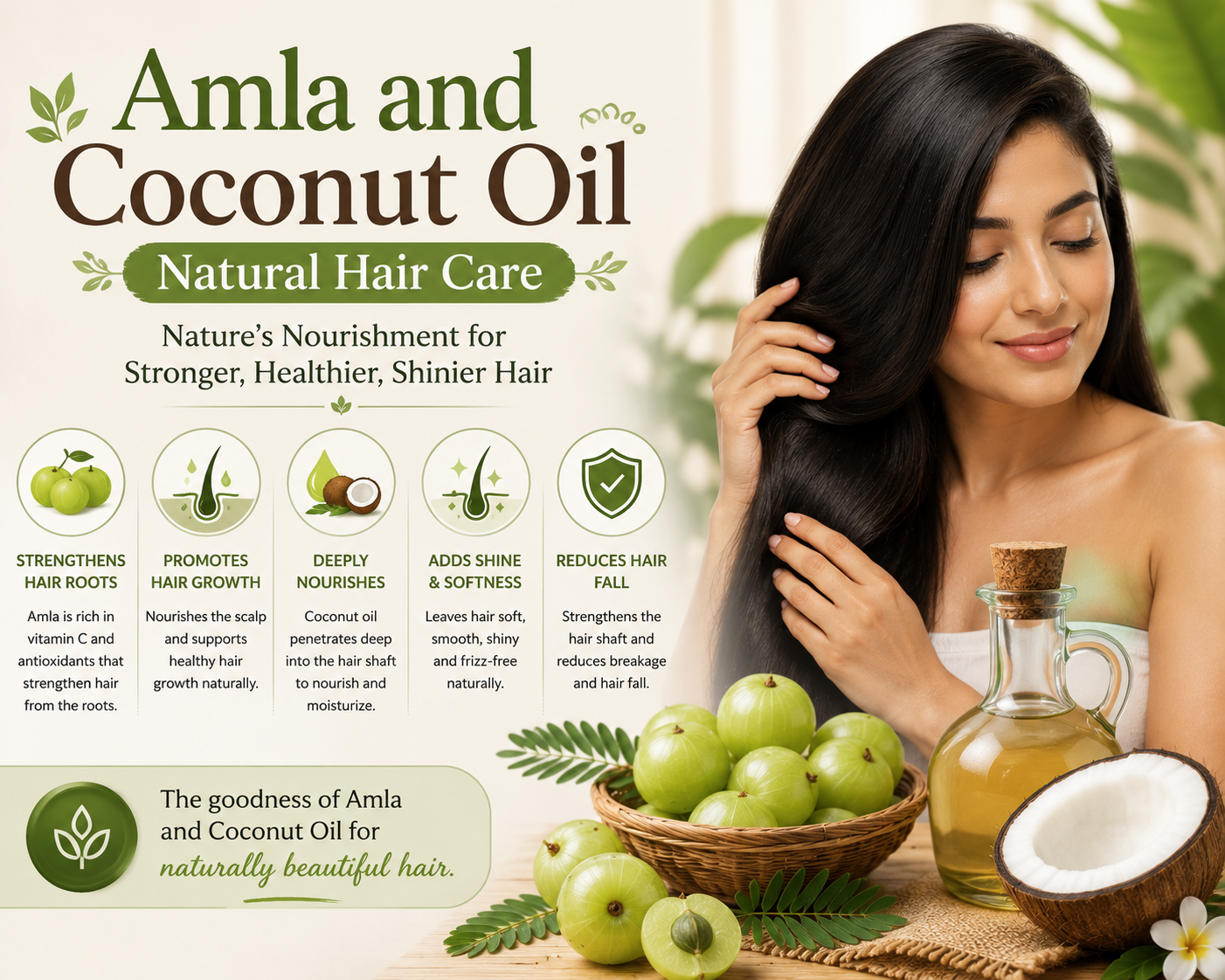
Amla, also known as Indian gooseberry, has a long history in traditional Indian hair care. It is naturally rich in vitamin C and other plant compounds, and amla-based preparations are commonly used as part of scalp and hair routines.
Amla can be incorporated through suitable hair oils, masks, or formulated hair care products. However, it is important to avoid making unrealistic claims that a single ingredient can prevent hair loss or guarantee hair growth.
For everyday care, focus on the overall routine: gentle cleansing, adequate conditioning, careful handling, and protection from unnecessary damage.
Coconut Oil for Hair Care
Coconut oil is another popular ingredient in traditional hair care. It can help reduce friction and may help hair feel softer and more manageable when used appropriately.
If your hair tends to feel dry, applying a small amount of oil to the lengths before washing can be a simple addition to your routine. Avoid using excessive amounts because heavy oil buildup can make hair difficult to cleanse and may not suit an oily scalp.
Always consider your hair type before adding oil. Some people may prefer a small amount on the lengths, while others may find that oiling makes their scalp feel greasy or uncomfortable.
Jojoba Oil for Lightweight Hair and Scalp Care
Jojoba oil is commonly used in cosmetic and hair care products because of its lightweight feel and similarity to the skin’s natural sebum. It can be useful for people who prefer a less heavy oil as part of their personal-care routine.
When using any oil on your scalp, start with a small quantity. Applying too much product can create buildup and may make frequent cleansing necessary.
For dry-looking hair, a tiny amount can also be applied to the ends to improve the appearance of dryness and add a smoother finish.
Fenugreek for Traditional Hair Care
Fenugreek, also known as Methi, is another traditional ingredient used in Indian hair care. Fenugreek seeds are sometimes prepared into hair masks or incorporated into hair oils.
A simple fenugreek-based routine may involve soaking the seeds and preparing a smooth paste, but homemade preparations should always be used carefully. Make sure ingredients are clean, avoid leaving homemade mixtures on the scalp for excessive periods, and stop using them if irritation occurs.
If you have a sensitive scalp, it is better to perform a small patch test before applying a new homemade preparation over a larger area.
Don’t Overuse Hair Oils and Natural Treatments
One common misconception is that using more oil or more natural ingredients will automatically provide better results. In reality, excessive product use can create buildup and make your hair difficult to manage.
A practical routine should be simple. Choose one or two products that suit your hair type and use them consistently rather than continuously experimenting with multiple treatments.
If your scalp becomes itchy, irritated, excessively oily, or uncomfortable after using a particular product, discontinue it and allow your scalp to recover.
Protect Hair From Sun, Pollution, and Environmental Stress
Hair is exposed to environmental factors every day. Sunlight, dust, pollution, humidity, and dry weather can all influence the appearance and feel of your hair.
You can reduce unnecessary environmental stress by covering your hair during prolonged outdoor exposure, washing your scalp appropriately after dusty or sweaty activities, and avoiding excessive heat styling.
In areas with high pollution, gentle but effective cleansing can help remove accumulated dirt without repeatedly stripping the hair of its natural oils.
Keep Split Ends Under Control
Split ends occur when the protective outer layer of the hair becomes damaged and the strand begins to separate. Once a hair strand has split, cosmetic products can temporarily improve its appearance, but they cannot permanently fuse the damaged strand back together.
Regular trimming is the practical way to remove visibly split ends. You can also reduce future damage by limiting excessive heat, avoiding aggressive brushing, and handling wet hair gently.
Avoid Tight Hairstyles Every Day
Tight ponytails, buns, braids, and other hairstyles that repeatedly pull on the hair can place mechanical stress on the strands and scalp.
If you frequently wear your hair tied, choose looser styles and soft hair ties whenever possible. Changing your hairstyle regularly can also reduce repeated pressure on the same areas.
A comfortable hairstyle should never cause persistent scalp pain or pulling. If a hairstyle feels painful, it is a sign that it may be too tight.
Choose Hair Products According to Your Hair Type
There is no universal hair care product that works perfectly for everyone. Fine, oily, dry, curly, thick, coloured, and chemically treated hair can all require different approaches.
If your hair becomes oily quickly, lightweight products may be more comfortable. Dry or curly hair may benefit from richer conditioning. Chemically treated hair often needs extra attention to moisture and gentle handling.
Understanding your hair type helps you avoid unnecessary product switching and allows you to create a routine that is easier to maintain.
Simple Hair Care Is Often Better Than Complicated Hair Care
A practical natural routine does not need ten different products. Start with the essentials and add products only when you understand why you need them.
A simple routine can look like:
- Cleanse the scalp according to your needs.
- Condition the hair lengths regularly.
- Use a suitable natural oil occasionally if it works for your hair.
- Limit excessive heat styling.
- Handle wet hair gently.
- Trim damaged ends when necessary.
- Protect hair from excessive environmental exposure.
The most important secret is consistency. Healthy-looking hair usually comes from many small habits repeated over time rather than one quick treatment.
In Part 3, we will cover the role of nutrition and hydration, sleep and stress, common hair care mistakes, a simple weekly routine, and important signs that may require professional hair or scalp advice.
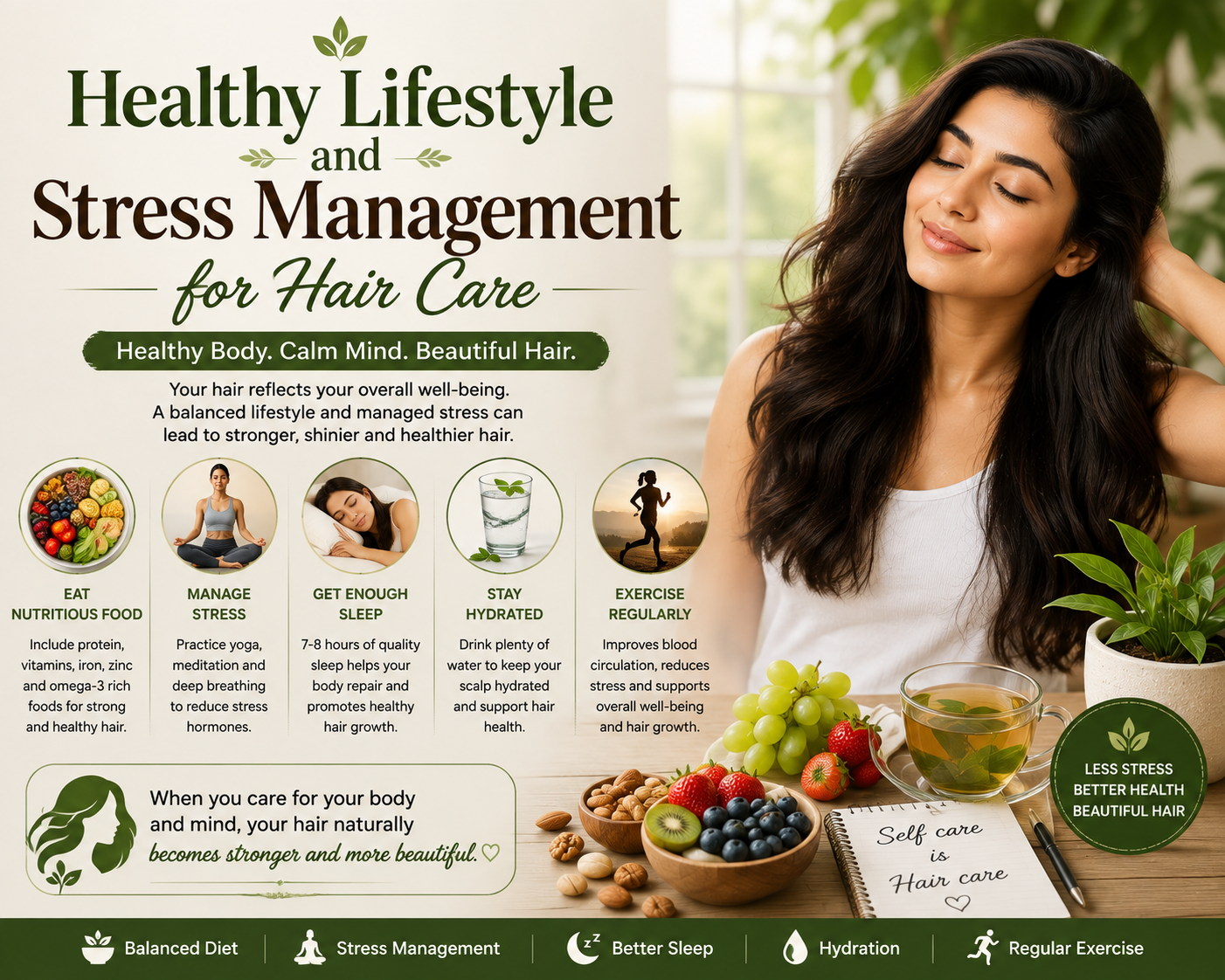
Nutrition Matters for Healthy-Looking Hair
Your hair care routine does not only depend on what you apply to your hair. Your overall lifestyle and nutrition also play an important role in maintaining healthy-looking hair. Hair is made primarily of a protein called keratin, so getting adequate nutrients through a balanced diet is important for normal hair growth and maintenance.
Instead of focusing on one so-called “hair growth food,” aim for a varied diet that provides protein, iron, zinc, healthy fats, vitamins, and other essential nutrients.
Include a variety of foods such as:
- Eggs, dairy, beans, lentils, and other protein-rich foods
- Green leafy vegetables
- Fresh seasonal fruits
- Nuts and seeds
- Whole grains
- Healthy sources of fats
Stay Hydrated for Better Hair Care
Adequate hydration supports your body’s normal functions and contributes to overall skin and scalp health. While drinking water cannot independently guarantee thicker or faster-growing hair, maintaining adequate fluid intake is an important part of a healthy lifestyle.
Make water your main source of hydration and adjust your intake according to your activity level, climate, and individual needs. Fresh fruits and vegetables can also contribute to your overall fluid intake.
Don’t Ignore Sleep and Stress Management
A busy lifestyle, inadequate sleep, and prolonged stress can affect overall wellbeing and may sometimes be associated with changes in hair shedding. If you notice significant or sudden hair loss, however, lifestyle changes alone should not replace professional evaluation.
Try to maintain a consistent sleep schedule and include simple relaxation activities in your daily routine. Yoga, meditation, walking, deep breathing, and regular physical activity can all be useful ways to support general wellness.
Healthy hair care is therefore not just about shampoos and oils. It is also about taking care of your body and maintaining healthy daily habits.
Common Hair Care Mistakes to Avoid
Sometimes improving your hair care routine is less about adding new products and more about removing habits that may be causing unnecessary damage.
1. Washing Hair With Very Hot Water
Very hot water can leave the scalp and hair feeling dry. Use comfortably warm or lukewarm water instead, and finish your routine with a gentle rinse.
2. Aggressive Towel Drying
Rubbing wet hair vigorously with a towel can increase friction and contribute to breakage. Gently pat or squeeze the hair instead.
3. Excessive Heat Styling
Frequent use of straighteners, curling irons, and high-temperature blow dryers can contribute to dryness and damage. Reduce unnecessary heat and use appropriate protection when styling.
4. Brushing Too Aggressively
Pulling through knots can break fragile strands. Detangle slowly, starting from the ends and working toward the roots.
5. Using Too Many Products
Layering multiple oils, masks, serums, and styling products can create buildup and make it difficult to understand what works for your hair. Keep your routine simple and introduce new products gradually.
A Simple Weekly Natural Hair Care Routine
You can create an easy weekly routine without spending hours on hair care. The exact frequency should be adjusted according to your scalp and hair type.
- 2–3 times a week: Cleanse your scalp according to your hair’s oiliness and lifestyle.
- After washing: Use a suitable conditioner on the lengths and ends.
- Once a week: Consider a simple nourishing treatment if your hair benefits from it.
- Daily: Avoid unnecessary pulling, excessive heat, and aggressive brushing.
- Regularly: Trim visibly damaged ends when needed.
- Every day: Maintain a balanced diet, adequate hydration, and healthy lifestyle habits.
Listen to Your Hair and Scalp
One of the most important hair care secrets is understanding that every person’s hair is different. A routine that works beautifully for one person may not work for another.
Pay attention to how your scalp and hair respond to products. If your scalp feels comfortable, your hair is manageable, and your routine does not cause excessive dryness or buildup, you may be on the right track.
If a product causes persistent itching, burning, redness, swelling, or irritation, discontinue use. Natural ingredients can still cause sensitivity or allergic reactions in some individuals.
Explore Natural Wellness at The Kitchen Factory
When Should You Seek Professional Hair or Scalp Advice?
Occasional hair shedding is normal, but significant or sudden changes should not be ignored. If you experience persistent hair loss, visible thinning, bald patches, severe scalp itching, painful scalp lesions, or sudden changes in hair texture, consider consulting a qualified dermatologist or healthcare professional.
Professional evaluation can help identify whether the issue is related to nutritional deficiencies, hormonal changes, scalp conditions, medications, genetics, stress, or another underlying factor.
Final Thoughts: Keep Your Hair Care Routine Simple
Hair Care Secrets: A Practical Natural Routine for Stronger-Looking, Healthier Hair does not require an expensive collection of products. The most effective approach is to build simple habits that you can maintain consistently.
Start with gentle cleansing, regular conditioning, careful handling, limited heat styling, suitable natural nourishment, and protection from environmental stress. At the same time, support your routine with balanced nutrition, adequate hydration, good sleep, regular movement, and stress management.
Natural ingredients such as Aloe Vera, Amla, Coconut Oil, Jojoba Oil, and Fenugreek can be interesting additions to a personal hair care routine when they suit your hair and scalp. Always introduce new products carefully and avoid making unrealistic promises about what any single ingredient can achieve.
The Kitchen Factory focuses on a natural and mindful approach to everyday wellness. By choosing simple routines and being consistent with your personal care, you can support hair that looks cleaner, softer, smoother, and healthier over time.
Discover Natural Wellness Products
Your Everyday Hair Care Formula
Clean → Condition → Nourish → Protect → Repeat.
Keep your routine practical, listen to your hair and scalp, and give your hair time. Healthy-looking hair is usually the result of consistent care rather than a quick overnight solution.