
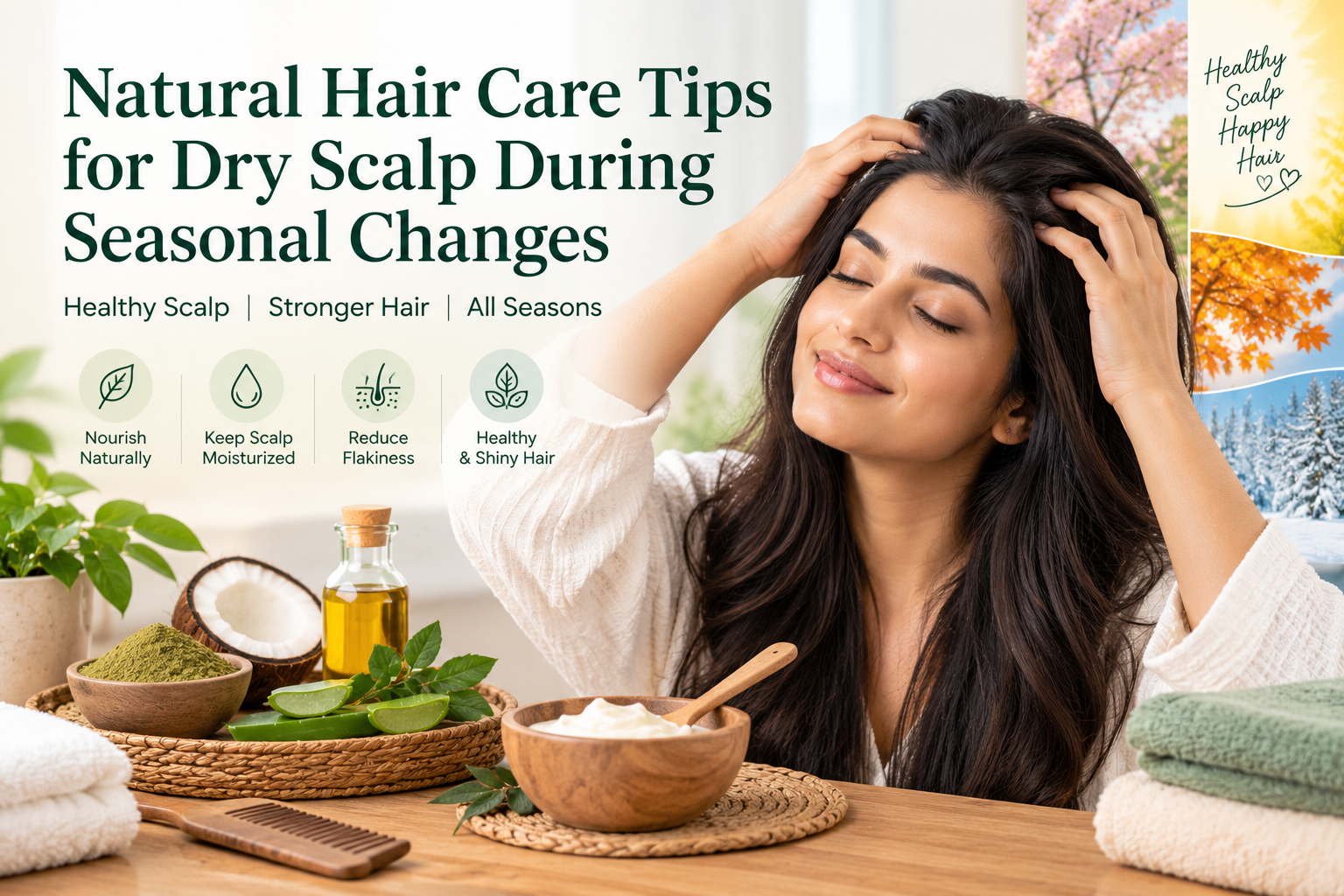
Have you noticed that your scalp feels unusually dry, itchy, or uncomfortable when the seasons change? Changes in temperature, humidity, and everyday hair care habits can affect your scalp’s natural moisture balance. Whether the weather is becoming colder, the air is turning dry, or humidity levels are increasing, seasonal transitions may leave your scalp feeling flaky and your hair looking dull.
The good news is that caring for a dry scalp does not always require an expensive hair care routine. With gentle cleansing, suitable moisturising products, and a few simple lifestyle changes, you can support a healthier-looking scalp and softer, more manageable hair. At The Kitchen Factory, we believe that consistent self-care and carefully selected products can make natural hair care easier to maintain throughout the year.
Why Does Your Scalp Become Dry During Seasonal Changes?
Your scalp, like the rest of your skin, needs a healthy moisture balance to remain comfortable. Seasonal changes can influence this balance in several ways. Cold weather, low humidity, indoor heating, hot showers, and excessive use of styling products may contribute to scalp dryness. During warmer months, frequent washing, sweat, and environmental exposure can also affect scalp comfort.
When the scalp loses moisture, you may notice tightness, itching, small flakes, or hair that feels rough and difficult to manage. However, not every flaky scalp is caused by dryness. Dandruff, eczema, psoriasis, and certain skin conditions can produce similar symptoms, so persistent problems may require professional advice.
Understanding what your scalp needs is the first step towards creating a gentle and effective hair care routine.
1. Choose a Gentle Shampoo for Your Scalp
One of the simplest ways to care for a dry scalp is to use a gentle shampoo that cleans without leaving your scalp feeling excessively tight. Strong cleansers, frequent washing, and products that do not suit your scalp may worsen dryness and irritation.
Look for a mild shampoo formulated for dry or sensitive scalps. If your hair is naturally dry, avoid washing it more frequently than necessary. Adjust your washing schedule according to your scalp condition, activity level, and hair type.
Use lukewarm water rather than very hot water, and massage shampoo gently into your scalp with your fingertips. Avoid scratching with your nails, as this can irritate the skin and cause small injuries.
A gentle cleansing routine helps remove excess oil, sweat, and product residue while supporting scalp comfort during changing weather conditions.
2. Keep Your Scalp and Hair Properly Hydrated
Hydration is an important part of natural hair care, especially when environmental conditions make your scalp feel dry. Using suitable conditioning products can help improve hair softness, reduce friction, and make strands easier to manage.
Choose a conditioner formulated for your hair type and apply it mainly to the lengths and ends. If you have a product specifically designed for the scalp, follow its directions and check whether it is suitable for your skin.
Ingredients such as glycerin and panthenol are commonly used in hair care formulations to help maintain moisture. The right product depends on your individual needs, and fragrance-free options may be preferable if your scalp is sensitive.
Remember that applying more product does not necessarily provide better results. Start with a small amount and maintain a consistent routine that leaves your scalp comfortable without making your hair feel heavy or greasy.
3. Use Natural Oils Carefully
Natural oils are popular in traditional hair care routines because they can help condition hair and improve its appearance. Depending on the formulation and how they are used, oils such as coconut oil may help reduce moisture loss from the hair shaft and make dry lengths feel softer.
If you enjoy oiling your hair, apply a small amount to the lengths and ends or use a scalp product specifically intended for that purpose. Avoid vigorous massage, particularly when your scalp is irritated, itchy, or sensitive.
It is important to understand that oils do not work for every scalp concern. Heavy oiling may aggravate symptoms in some people, particularly when dandruff or certain scalp conditions are present. Essential oils and fragranced mixtures can also cause irritation or allergic reactions.
Always patch-test new products and discontinue use if you notice redness, burning, or increased itching. Choose a routine that supports comfort rather than relying on oiling alone to address persistent scalp dryness.
4. Avoid Very Hot Showers and Excessive Heat Styling
When temperatures drop, a hot shower may feel relaxing, but very hot water can remove protective oils from your skin and contribute to dryness. Frequent blow-drying at high temperatures, straightening, and curling can also leave hair brittle and more prone to breakage.
Try washing your hair with lukewarm water and gently patting it dry with a soft towel instead of rubbing it vigorously. When using a hair dryer, select a lower heat setting and keep the dryer at a comfortable distance from your scalp.
Limit unnecessary heat styling, especially when your hair already feels dry or rough. Using suitable heat protection can help reduce styling-related damage, although it cannot eliminate all heat-related risks.
These small adjustments can help maintain hair softness and reduce avoidable stress on both your hair and scalp.
5. Protect Your Scalp from Seasonal Weather
Your scalp may need different care depending on the weather. Cold winds and dry indoor air can contribute to discomfort during winter, while summer heat, sweat, and frequent washing may create different challenges.
During colder months, wear a clean, breathable hat when spending time outdoors. Avoid headwear that is excessively tight or traps too much sweat. If you use indoor heating, maintaining comfortable indoor humidity may also help reduce dryness.
During warmer weather, wash away excess sweat when necessary and avoid leaving heavy styling products on your scalp for prolonged periods. Choose breathable headwear and protect your scalp from excessive sun exposure, particularly if your hair is thinning or your scalp is exposed.
Rather than following the same routine throughout the year, pay attention to changes in your scalp and adjust your hair care habits accordingly.
6. Maintain a Balanced Diet for Healthy-Looking Hair
Healthy hair care begins with everyday habits, including a balanced diet. Your body needs adequate protein, vitamins, minerals, and essential fats to support normal hair growth and overall health.
Include a variety of nutritious foods such as lentils, beans, eggs, nuts, seeds, vegetables, fruit, and other suitable protein sources. Drink water regularly according to your needs, especially during hot weather or periods of increased physical activity.
Hair dryness is not always caused by a nutritional deficiency, and taking supplements without a demonstrated need may not improve your scalp condition. Excessive intake of certain nutrients can also be harmful.
If you experience significant hair shedding, persistent scalp problems, or other unusual symptoms, consult a qualified healthcare professional before starting supplements or restrictive diets.
7. Avoid Scratching and Harsh Scalp Treatments
When your scalp feels itchy, scratching may provide temporary relief, but repeated scratching can damage the skin and increase irritation. Harsh exfoliating scrubs, strong chemical treatments, and fragranced home remedies may make the problem worse.
Instead, use gentle products and avoid introducing several new treatments at the same time. If a shampoo, hair dye, oil, or styling product causes burning, redness, or itching, stop using it and rinse the area gently if needed.
Natural ingredients are not automatically suitable for every skin type. Lemon juice, undiluted essential oils, and other irritating home remedies can cause discomfort or skin reactions, particularly on an already sensitive scalp.
If dryness and flaking continue despite gentle care, or if you notice severe itching, painful areas, sores, or significant hair loss, seek advice from a dermatologist. The right treatment depends on the underlying cause.
8. Build a Simple Seasonal Hair Care Routine
A consistent routine is often more practical than changing products every few days. Start with a gentle shampoo, a suitable conditioner, and careful handling of wet hair. Add a scalp moisturising product or hair oil only when it suits your needs.
Keep brushes and combs clean, avoid sharing personal hair care tools, and clean hats and pillowcases regularly. Choose comfortable hairstyles that do not pull tightly on the roots, and reduce unnecessary chemical treatments when your scalp is irritated.
Observe how your scalp responds as the weather changes. If a product leaves your scalp feeling tight or uncomfortable, reconsider whether it is appropriate for you. Small, consistent adjustments can make your routine easier to maintain throughout the year.
Give Your Scalp the Care It Needs Throughout the Year
Seasonal changes can influence how your scalp and hair feel, but a thoughtful hair care routine can help you manage dryness and maintain comfortable, healthy-looking hair. Gentle cleansing, suitable conditioning, careful use of oils, protection from extreme weather, and balanced everyday habits all contribute to effective hair care.
There is no single solution that works for everyone. Your scalp may need a lighter routine during humid weather and more attention to moisture during colder, drier months. The key is to understand your individual needs and avoid harsh treatments that can increase irritation.
At The Kitchen Factory, we encourage simple, mindful self-care and informed product choices. Explore suitable hair and personal care essentials, build a routine that works for you, and give your scalp consistent attention as the seasons change.
Start with gentle care today: choose products that suit your scalp, make small changes to your daily habits, and seek professional advice if dryness or itching persists. A comfortable scalp is an important part of maintaining healthy-looking hair in every season.